
Is Your Personal Brand an Asset or Liability? Three Ways to Tell.
Is Your Personal Brand an Asset or Liability? Three Ways to Tell
Your personal brand may be influencing opportunities before you even know they exist.
Imagine someone recommending you for a speaking engagement, executive leadership position or major project.
Before the decision-maker contacts you, what do you think they will do?
Chances are, they will check you out.
They may review your LinkedIn profile, visit your website, search your name online or examine your social media activity.
What will they discover? Will your online presence reinforce their confidence in your leadership or cause them to question your qualifications?
That is an important question because even highly qualified leaders can be overlooked when their personal brands fail to communicate their experience, expertise and accomplishments.
Your Professional Reputation Is Being Evaluated
Recently, my cousin was recovering from an illness and asked family members to recommend inspirational movies.
I wanted to make the process easier for her, so I researched several movies and shared links where she could learn more about them.
Some movies had professional trailers, detailed descriptions, ratings and reviews. Others had very little information available.
Think about that.
A movie could be excellent, but if the available information does not communicate its value, someone may decide to watch something else.
The same thing can happen to an exceptional leader.
You may have an impressive track record and the ability to make a meaningful contribution. But if your personal brand does not reflect those qualifications, a decision-maker may move on to someone else.
Not necessarily because that person is more qualified, but because their qualifications are easier to recognize.
Your personal brand should reinforce your credibility, not leave people questioning it.
Three Ways to Evaluate Your Personal Brand
A strong personal brand does more than make you look professional. It helps people understand your value, recognize your expertise and develop confidence in your leadership.
Here are three areas worth evaluating.
1. Professionalism: Does Your Brand Reflect the Caliber of Your Leadership?
Your website, LinkedIn profile and other digital platforms should communicate a professional image consistent with your experience and expertise.
An outdated website, inconsistent visual identity or incomplete professional profile can undermine the impression you want to make.
Your digital presence does not need to be extravagant, but it should be intentional, polished and easy to navigate.
2. Relevance: Are You Participating in Conversations That Matter?
A strong personal brand communicates that you understand your industry and the people you serve.
Your content should reflect current challenges, meaningful insights and topics relevant to your audience.
You do not need to post on social media every day or maintain a presence on every platform. However, you should establish a consistent presence where the people you want to reach are paying attention.
3. Expertise: Can People Easily Recognize What You Bring to the Table?
Your accomplishments should not be difficult to discover.
Does your online presence communicate the challenges you have solved, the results you have achieved and the contributions you have made?
Decision-makers should be able to connect your experience and expertise to the opportunities they are considering you for.
Do not make people work unnecessarily hard to recognize your value.
Your Big Vision Needs More Than Your Support
You may have a clear vision for what you want to accomplish, but attracting the right people, resources and support to move it forward can be challenging.
That is where strategic personal branding becomes important.
A strong personal brand helps people understand your vision, recognize your value and develop confidence in your ability to lead.
And when people understand what you bring to the table, they are better equipped to recognize opportunities to collaborate with you, recommend you or support your work.
The goal is not simply to get noticed. It is to build the credibility and trust that encourage the right people to get behind you.
Take the Next Step
In Episode 21 of Ambitious Leadership for Christians, I share a personal story that illustrates how decision-makers evaluate their options and why your professional image matters.
We also explore three practical ways to assess whether your personal brand is strengthening your credibility or potentially limiting your opportunities.
Listen to Episode 21:
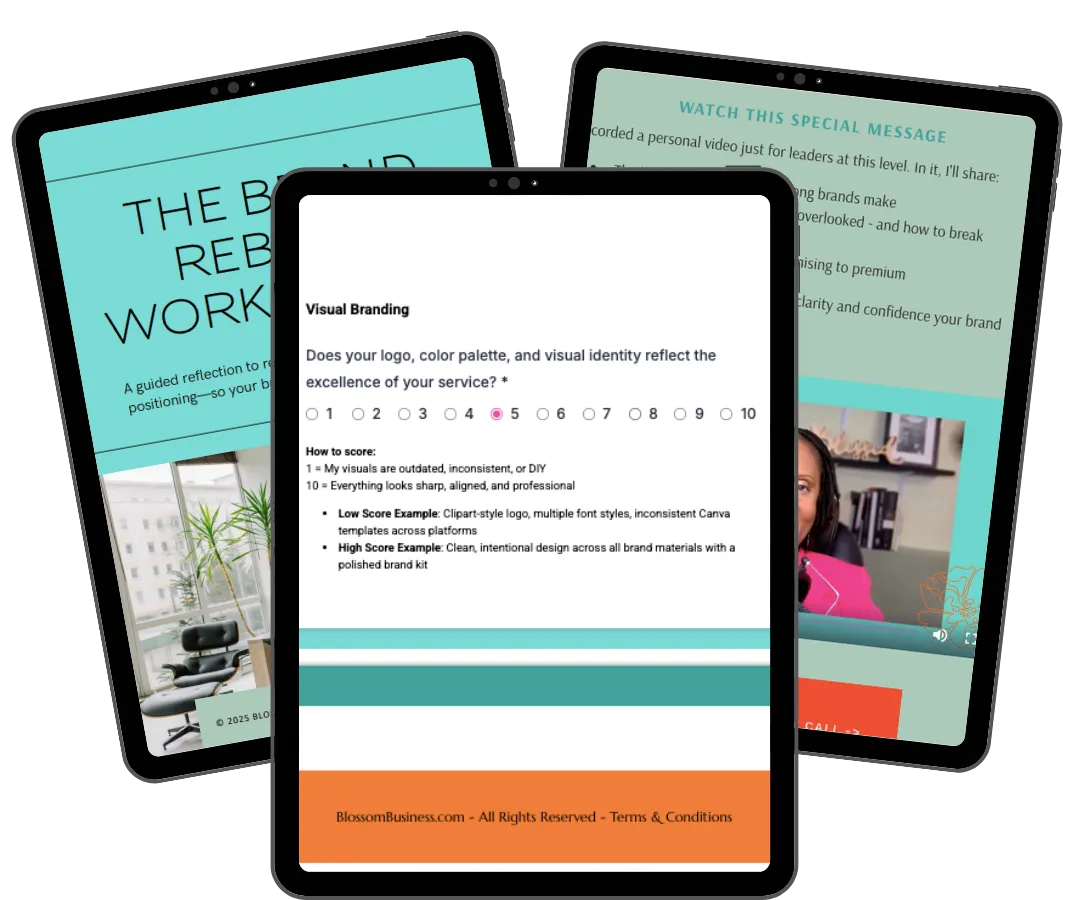
FREE RESOURCE: Take the Brand Strength Audit
Want to know how your personal brand measures up?
Take my free 10-question Brand Strength Audit to evaluate your personal brand, identify areas that need improvement and discover opportunities to strengthen your professional presence.
Your experience and expertise deserve to be represented well. Make sure your personal brand reflects the leader you are today.